
Agrawal Laboratory
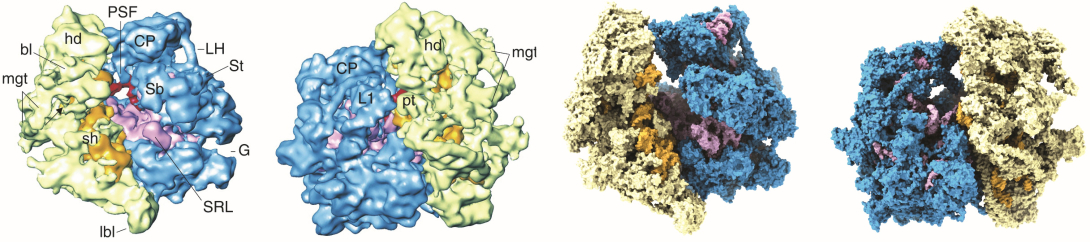
The Agrawal Lab interest lies in studies of structure and function of ribonucleic acid complexes, particularly ribosomes. Ribosomes are the most complex cellular machines that conduct translation of genetic codes embedded in messenger RNAs (mRNAs) into polypeptide chains (proteins) by adding one amino-acid residue at a time in all living organisms, including bacteria and humans. About half of the known antibiotics (drugs) are administered to block the function of ribosomes in both bacterial and eukaryotic pathogens. To understand how the ribosome-targeting drugs function and how to protect human (host) ribosomes from their toxic effects, a deep knowledge of structure and function of translational machinery both in human and pathogens is essential. Our lab studies the mechanism of protein-synthesis in human mitochondria and in pathogenic bacteria, including the bacteria that cause TB and Lyme disease, using high-resolution 3D cryo-electron microscopy (cryo-EM) as one of the main tools.